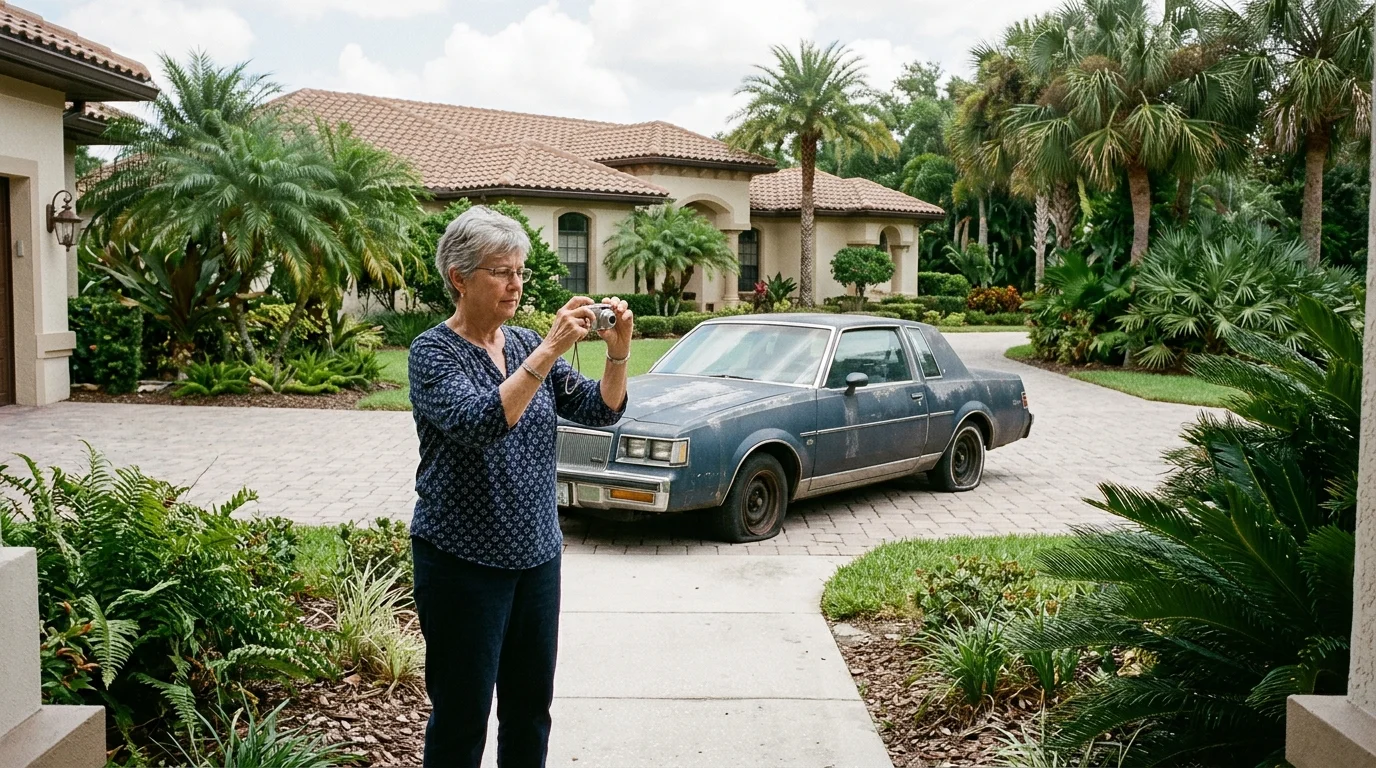
Bay Hill junk car removal starts with one decision. Is this your vehicle to release, or did someone leave it on your property? If you own it, gather the available records and arrange an authorized pickup. If you don’t, pause and verify the proper removal process.
Confirm who owns the vehicle and the property
Start by identifying the vehicle owner and the person controlling the property. Those may be two different people. A homeowner can own the driveway without owning the car parked there.
Write down the names shown on any available vehicle records. Compare them with the person requesting removal. If the names don’t match, find out why before scheduling anything. A relative, former tenant, business, or estate may still have an ownership interest.
Property managers should also confirm their authority. Keep the management agreement or written permission available. If the vehicle sits in a shared parking area, identify who controls that space. An association, landlord, or neighboring owner may need to address access separately.
Don’t treat possession of the keys as proof of ownership. The same caution applies to an old registration, handwritten note, or verbal statement. These items may help explain the situation, but this page can’t confirm that any one item authorizes a transfer.
A Bay Hill mailing address also doesn’t answer every jurisdiction question. Verify the exact property address before choosing an enforcement process. Don’t assume that Orlando, Orange County, or a private association follows another area’s procedure.
If the owner authorizes the transfer, junk car removal service may be the right path. If the vehicle belongs to someone else, use a private-property towing process instead. That distinction protects everyone from turning an ownership dispute into a pickup request.
When ownership remains unclear, contact the Florida Department of Highway Safety and Motor Vehicles or a Florida attorney. Don’t authorize removal until the uncertainty is resolved.
Separate a junk car from an abandoned vehicle
“Junk” usually describes the owner’s plan for the vehicle. “Abandoned” describes a vehicle left somewhere without clear permission or an available owner. For removal purposes, those situations shouldn’t be handled as if they’re identical.
An owner-authorized junk vehicle may be damaged, incomplete, or no longer wanted. The important point is that the person with authority agrees to its transfer. Its age, appearance, flat tires, or missing parts don’t establish that authority.
A vehicle left by a former tenant or unknown person requires another approach. The property owner shouldn’t sign as the vehicle owner merely because the car occupies their land. Start with our guide to abandoned vehicle removal in Orlando and confirm which local process applies.
Florida’s rules for nonconsensual towing from private property appear in Florida Statute 715.07. The statute includes notice and sign standards, with different treatment for certain situations. Don’t copy a procedure from another property without checking whether the same conditions apply.
This distinction matters for Bay Hill homeowners. A dead car in your own driveway may support an owner-authorized transfer. A stranger’s car blocking that driveway may require a nonconsensual tow. A vehicle left in shared association parking may involve separate property authority.
Don’t move the vehicle onto a public street to make the problem someone else’s responsibility. Keep photographs of where it sits, its visible condition, and any messages concerning ownership. Avoid posting readable identification numbers or personal documents online.
If anyone disputes ownership, stop the pickup. A tow operator can assess movement and access, but shouldn’t be expected to settle a title dispute.
Gather the title and available ownership records
Collect every record you already have before calling. Useful items may include the title, current or expired registration, photo identification, lien records, and prior transfer paperwork. Estate or business-owned vehicles may have additional records.
The exact paperwork required for this transfer couldn’t be confirmed from the approved research for this page. Requirements may depend on the vehicle record and the receiving party. Verify them through the current FLHSMV vehicles, tags, and titles page before pickup.
Our guide to Florida junk-car paperwork can help you organize the questions. It shouldn’t replace confirmation for your particular vehicle. Missing titles, name mismatches, liens, estate ownership, and business ownership each deserve closer review.
Record the vehicle identification number from the car itself. Compare it with the number on the available documents. If the numbers don’t match, don’t alter either record or continue the transfer. Ask FLHSMV how to resolve the discrepancy.
Also check how the owner’s name appears. A nickname, former surname, deceased owner, or company name may require supporting records. Don’t sign another person’s name or fill gaps with guesses.
Ask the receiving operator which original documents must be presented. Confirm which documents will be returned and which will be retained. Never sign a blank form or a document with missing transfer information.
Remove personal items before the vehicle leaves. Check the cabin, trunk, console, seat pockets, and any accessible storage areas. Photograph the vehicle after clearing it. Keep copies or clear images of every completed transfer document.
Questions about plates, registration, liens, or insurance should go to the responsible agency or insurer. Don’t cancel or surrender anything based only on informal advice. Confirm what applies to the exact vehicle record first.
Check access before arranging removal
A complete access description helps the operator select an appropriate approach. Share more than “the car is in Bay Hill.” Give the exact address, driveway position, surface, gate details, and nearest usable entrance.
For properties reached from Apopka-Vineland Road, Granada Boulevard, or a smaller residential street, describe the final approach. Mention a gate, sharp turn, narrow shoulder, low branch, or restricted parking area. Don’t assume the neighborhood name tells the operator what the entrance looks like.
Walk from the vehicle to the street. Look for parked cars, basketball hoops, landscaping, irrigation heads, mailboxes, soft soil, and tight corners. Clear movable items where you have permission. Don’t trim landscaping or enter neighboring property without approval.
Describe the vehicle’s condition accurately. Note missing wheels, flat tires, locked steering, damaged suspension, fire damage, collision damage, or a blocked transmission. Say whether you have the keys. Also state whether the car faces toward or away from the street.
A vehicle inside a garage needs extra measurements. Check the garage opening, ceiling clearance, driveway slope, and space around the car. Don’t attempt to drag it with a personal vehicle, rope, or improvised chain. The operator who evaluates the job should decide how it can be moved.
Take wide photos from the front, rear, and both sides. Include the path toward the street. Close photos of the wheels and visible damage can also help. Keep titles, registrations, and readable identification numbers out of shared access photos.
If the route crosses association property or a shared drive, confirm access permission beforehand. Tell the gate attendant or property contact what you’ve arranged when appropriate. A blocked entrance can prevent an otherwise authorized removal from proceeding.
Summer rain can quickly change grass and unpaved access. If the surface becomes soft or flooded, update the operator before pickup. Accurate conditions matter more than the original plan.
Verify the current transfer process before pickup
Before the vehicle moves, confirm who will receive it and what proof you’ll receive. The approved research didn’t establish one transfer process covering every junk vehicle. Verify the steps for your record rather than relying on a generic checklist.
Ask the receiving operator these questions before agreeing:
- What exact ownership documents must I present?
- What happens if the title is missing or contains an error?
- How will the receiving party be identified on the paperwork?
- What completed receipt or transfer record will I receive?
- Should the plate stay with the vehicle or be removed?
- Does FLHSMV require another notice or record update?
- How are existing liens or ownership disputes handled?
Get the answers in writing when possible. Check them against current FLHSMV guidance. If an answer conflicts with the vehicle record, stop and seek clarification.
On pickup day, compare the vehicle identification number again. Remove remaining belongings and photograph the vehicle’s condition. Read every document before signing. Make sure names, dates, vehicle details, and receiving-party information are complete.
Keep the final paperwork with your other vehicle records. Note the pickup date and the party that accepted the vehicle. If money changes hands, document the agreed amount without relying on a verbal promise.
Don’t assume your responsibility ends when the vehicle leaves the driveway. Confirm any remaining title, registration, plate, or insurance steps with the relevant agency or insurer. This guide can’t confirm those steps for an individual vehicle.
Quick Tow Orlando can connect an authorized owner or property representative with a local operator. The operator can then review the vehicle’s condition and access. An unresolved ownership problem still needs to be cleared first.
When to call us
Call when you control the vehicle, have checked the available records, and need a local operator matched to the job. Quick Tow Orlando can also help identify whether your request fits junk removal or private-property towing. Call us at (321) 321-9797.