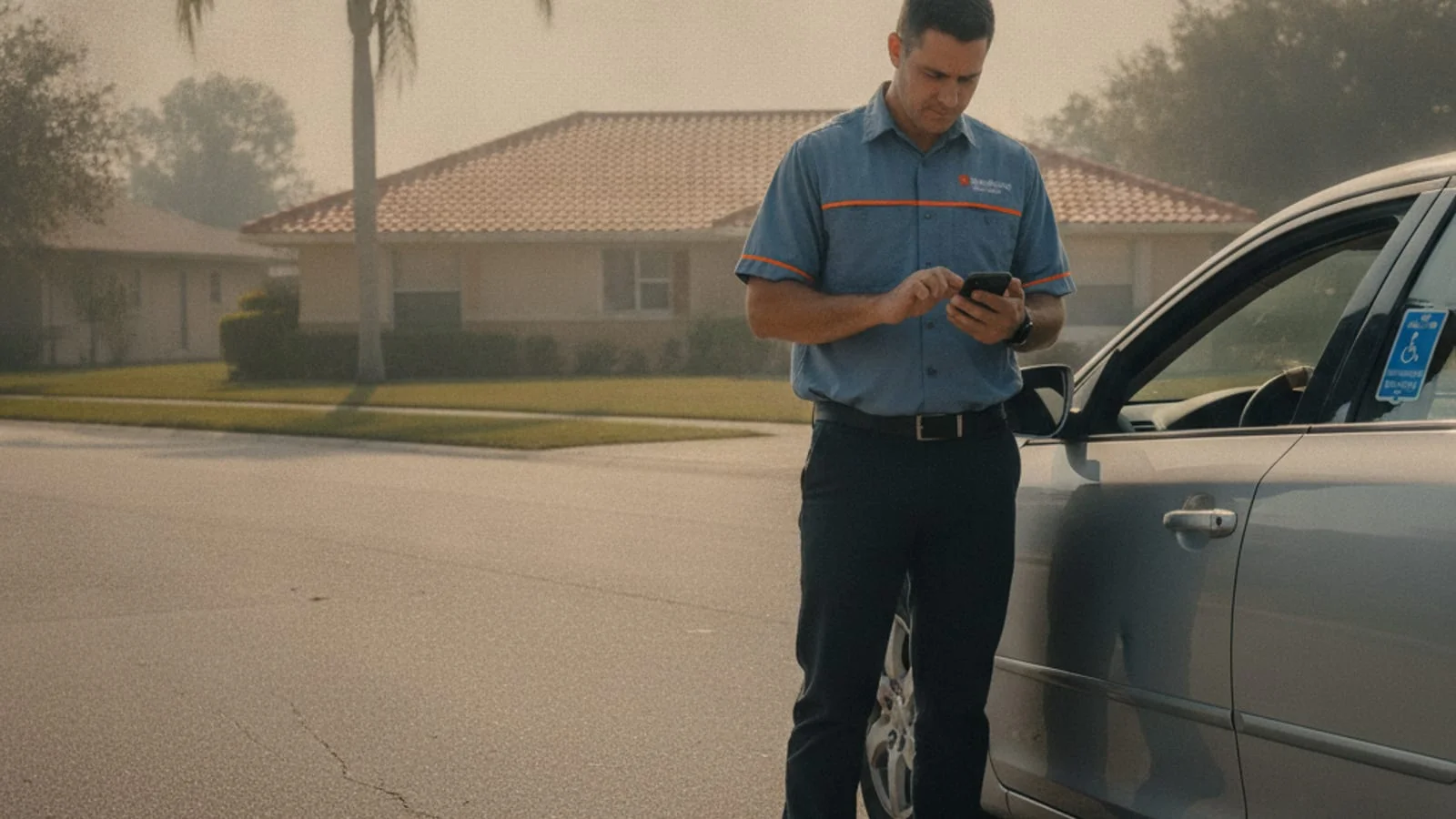
The best towing company for you is the one that fits your vehicle, and picking it is harder with traffic passing a few feet away. The right choice fits your vehicle, explains the terms, and identifies the operator before sending anyone. Quick Tow Orlando is a referral service that connects callers with local towing pros.
What best towing means when you are already stuck
A search for “best towing Orlando” won’t produce one answer for every breakdown. The right operator for a sedan near Lake Nona may not fit a damaged truck on I-4. A parking garage, blocked wheel, or low-clearance vehicle can also change the required equipment.
Start with the job in front of you. Tell the service where the vehicle sits, where it needs to go, and what condition it’s in. Mention collision damage, locked wheels, missing keys, low clearance, and anything leaking. That information helps the service find an operator suited to the vehicle.
You also need to know whether you’re requesting a tow or recovering an impounded car. Those are different situations. Orlando’s maximum-rate ordinance doesn’t cover a tow requested with the owner’s consent. Don’t treat an impound cap as the price for a tow you call yourself.
The pickup location matters for an impound. City of Orlando Chapter 39 applies when the tow starts inside Orlando’s city limits. Orange County Chapter 35 covers unincorporated county areas and certain nearby municipalities. The storage yard’s address doesn’t decide which schedule applies.
A good choice is clear about those limits. It shouldn’t hide behind a ranking, vague praise, or an unexplained price. If the vehicle is stranded now, start with our emergency towing referral service. Describe the situation before an operator is matched.
The three things worth checking in the ninety seconds you have
You don’t need to conduct a full company investigation from the shoulder. Check these three points before agreeing to the service.
-
The operator and the exact location
Give the road, direction of travel, nearby exit, and a visible landmark. “I-4 near Orlando” leaves too much room for confusion. The same applies around SR 408, SR 417, SR 429, and the Turnpike.
Ask which operator will handle the tow. Confirm that company’s name before anyone is sent. If you’re calling from a parking lot, share the business name and street address. Orlando-area jurisdiction lines aren’t always obvious from a neighborhood name.
-
The vehicle and required towing method
Give the year, make, model, and current condition. Say whether the vehicle rolls, steers, or starts. Mention a parking garage, collision damage, low clearance, or an unusual vehicle size.
Ask how the vehicle will be transported and why that method fits. If you believe the vehicle needs a flatbed, say so during the first call. Our flatbed towing page explains how to request that type of operator.
-
The price terms and referral role
Ask what the quoted total includes. Find out what could change it before the operator arrives. Don’t rely on words like “affordable” or “standard” without clear terms.
Quick Tow Orlando states the total before an operator is sent. We also explain that the operator handles the physical tow. Save the operator’s name and the agreed terms. A screenshot or written note can help if the final request differs from the conversation.
What Orange County makes an operator carry
Orange County requires towing operators under its ordinance to carry at least $300,000 in liability coverage and $50,000 in on-hook coverage. The proof must be filed with the Sheriff’s Office. Those figures are county requirements, not coverage held by Quick Tow Orlando.
Florida doesn’t issue a statewide towing operator license. Be careful when someone presents a supposed “Florida towing license” as proof of quality. Local rules, insurance filings, and the circumstances of the tow matter more.
The local pros in our network are licensed and insured where their work requires it. You can still ask which operator is being matched and what coverage applies. That’s especially reasonable when the vehicle has collision damage or special transport needs.
Consumer rules also depend on where an impound began. The official Orange County towing information page covers county rates, vehicle location help, and Chapter 35 requirements. Under that county ordinance, covered storage facilities must accept major debit and credit cards without a surcharge. Vehicle release must occur within 30 minutes after payment. Storage phones must also be staffed around the clock.
Inside Orlando, Chapter 39 has different requirements. Posted rates must appear at the payment point in letters at least two inches high. A separate notice must reference Orlando City Code Chapter 39 and Florida Statute 715.07.
These rules matter when you’re recovering an impounded vehicle. They don’t turn a customer-requested tow into a capped service. If the pickup jurisdiction isn’t clear, confirm the address before relying on either rulebook.
Red flags that should end the call
End the conversation if the service won’t identify the operator. You should know who will arrive and where the vehicle will go. A vague answer leaves you unable to confirm the match or revisit the agreed terms.
Be cautious when someone applies one local rate cap everywhere. The City of Orlando and Orange County use separate ordinances. Both exclude consensual tows from their maximum-rate schedules. A person who calls a county impound cap “the Orlando towing price” is leaving out important limits.
Another warning sign is an unexplained change in the requested equipment. The operator may discover something the first call missed. However, you should receive a clear explanation before agreeing to a different towing method or price.
Claims about a statewide Florida towing license should also stop the conversation. No such operator license exists. Ask what local authorization or insurance filing the speaker actually means.
For an impounded car, watch for conduct that conflicts with the applicable local rules. An Orange County storage facility covered by Chapter 35 shouldn’t add a card surcharge. Inside Orlando, the payment point should display the required rate information. Those statements don’t transfer across every city or county.
Our guide to your rights after an Orlando-area tow explains the pickup-location split. The separate guide to Florida towing fee regulation explains why there isn’t one statewide dollar cap.
For an Orange County dispute, the county identifies its Consumer Protection as the wrongful-tow route. Use the county’s official towing page to find the current contact details. That avoids relying on an old directory listing.
Where we fit, said plainly
Quick Tow Orlando isn’t the company performing the tow. You leave the job details on our line, and we connect callers with independent local operators. The operator we connect you with supplies the truck, equipment, and driver, and that operator is responsible for capability, timing, price, and terms.
Dispatch runs Monday to Friday, 8 a.m. to 10 p.m. It uses a voicemail greeting rather than a live desk. Leave the vehicle, location, destination, and callback details clearly. Don’t expect an arrival promise from the greeting.
We don’t own a fleet, storage yard, or parts inventory. We also can’t waive an impound fee or change a storage company’s release rules. If your car is already in a yard, contact that facility directly and check the ordinance covering the pickup location.
Our role is most useful when you need a customer-requested tow. We’ll ask enough questions to match the vehicle with a suitable local operator. We’ll also state the total before that operator is sent.
We don’t rank or review competing towing companies. A name on a list tells you little about the truck available for your specific job. The better test is whether the service identifies the operator, matches the equipment, and explains the terms before the tow begins.
When to call us
Call when the vehicle can’t be driven or its condition makes the transport method uncertain. We’ll collect the details and connect you with a local operator suited to the request. Call us at (321) 321-9797.